
X

    How can we help?

    Finance And Accounting Services

    Human Resource Services

    B2B SaaS Solution

    Customize Solutions

    Your Details

    Name*

    Email*

    Phone number*

    Organization*

    Location*

    Select Enquiry Type*

    How can we help?*

    What is 4 + 5 ?

    By clicking submit you agree with the Privacy policy of Osource

    Common Contract Management Challenges Growing Companies Face

    Key Takeaways

    • Poor contract management leads to delays, inefficiencies, and missed opportunities.
    • Marketing leaders should prioritize visibility, standardization, and ownership in contract processes.
    • Early investment in centralized tools and workflows prevents future bottlenecks.
    • Cross-functional collaboration is critical for contract execution and compliance.
    • Automation and dashboards streamline tracking and reduce risk.

    Table of Contents

    Why Marketing Teams Should Care About Contract Management

    Before diving into the challenges, let’s answer the core question: why should a senior marketing leader care?

    Because bad contract management drains time, increases risk, and can derail initiatives. Consider how these real-world examples impact your day-to-day:

    • Your campaign launch is delayed because a creative agency’s contract expired, and no one renewed it.
    • You face unexpected costs because of automatic renewals on martech tools you no longer use.
    • A vendor underdelivers, but you realize too late that the contract didn’t include the performance clauses you thought it did.
    • Your team spends days digging through inboxes and shared drives just to find a signed agreement from a year ago.

    Every one of these scenarios translates to inefficiency, risk, and lost revenue.

    Top Contract Management Challenges for Growing Companies

    1. Decentralized Contract Storage

    One of the earliest signs your contract management is becoming unsustainable is when documents live in too many places:

    • Some are in someone’s inbox.
    • Some are sitting in marketing folders on Google Drive.
    • Others were shared over Slack and forgotten.
    • And a few printed copies are in someone’s desk drawer… somewhere.

    What happens then? Contracts go missing. Important clauses are overlooked. Renewal periods come and go without any notice. In short, you lose control.

    Solution
    Move contracts into a centralized contract repository. Ideally, this is part of a proper contract lifecycle management (CLM) platform, but even a shared, version-controlled drive with consistent naming conventions and tagging is a step in the right direction.

    Focus on visibility: Can you instantly pull up any active marketing vendor contract? Can you see termination dates, obligations, and contacts without a deep search?

    2. Lack of Standardized Processes

    In fast-growing companies, everyone’s just trying to get work done. That often means teams handle contracts differently:

    • The events team has their go-to freelance graphic designer with an old agreement.
    • The media team signs NDAs with new vendors over email, no legal review.
    • A junior marketer licenses a stock image service using their own credit card and personal terms.

    Sound familiar? Without standardized processes, contracts are made, sent, signed, and stored in inconsistent ways, making risk management nearly impossible.

    Solution
    Implement standardized contract workflows with clear ownership. This includes:

    • Who drafts contracts (legal, marketing ops, procurement?)
    • Who reviews and approves them?
    • What templates must be used?
    • Where are final copies stored?
    • How are renewals and expirations tracked?

    Even if you’re not ready for full automation, documenting your processes and training teams on them builds consistency and reduces mistakes.

    This is why many companies adopt tools like the Onex CMS, which streamlines approvals, centralizes documents, and ensures every stakeholder from marketing to legal follows a unified process.

    3. Slow Contract Turnaround Times

    When growth hits hard, speed becomes everything. But contracts often become chokepoints stuck in legal review, awaiting signatures, or bouncing between teams for redlines.

    Marketing opportunities can be lost because:

    • An agency engagement wasn’t signed in time.
    • Influencer agreements took too long to finalize.
    • A new martech tool got delayed because legal was backlogged.

    Solution
    Streamline your approval flows. Here’s how:

    • Use contract templates for high-frequency agreements like freelancers, influencers, agencies, and SaaS tools.
    • Invest in eSignature tools (like DocuSign or Adobe Sign) to speed up execution.
    • Establish clear SLAs across departments (e.g., legal must review within three business days).

    If possible, implement a CLM system to automate workflows and push reminders to approvers. Even low-code automation tools like Zapier or Slack integrations can help speed things up for smaller teams.

    4. No Visibility into Contract Timelines and Obligations

    When you’re managing a dozen different vendors thanks to a rapidly expanding marketing program, keeping track of all your contractual commitments becomes difficult.

    Here are a few signs of poor visibility:

    • Someone realizes a tool auto-renewed for another year without evaluation.
    • A vendor quietly underperforms because no one is enforcing the agreed-upon KPIs.
    • You commit to ad placement costs without realizing there’s a minimum spend clause from an older contract. spend management software for financial visibility

    Solution
    Create contract dashboards that provide ongoing visibility into:

    • Renewal and termination dates.
    • Payment schedules.
    • SLA and KPI commitments.
    • Out-clauses and penalties.

    If you don’t have access to CLM software, a well-maintained spreadsheet tracker is still a powerful stopgap solution.

    Bonus tip: Assign a contract owner (typically the person who initiated it) to ensure accountability for compliance and performance tracking.

    5. Manual Data Entry and Tracking

    As you manage more contracts, pulling insights manually becomes time-consuming and error-prone.

    Imagine needing answers to questions like:

    • How many contracts are currently active with agencies?
    • What is our total monthly spending on martech services?
    • Which contracts contain exclusivity clauses?

    Solution
    Start extracting contract metadata into structured formats. This might include:

    • Dates (start, end, renewal)
    • Payment terms
    • Clauses (IP ownership, exclusivity, termination)
    • Contact info

    With a CLM tool, much of this can be automated using AI-based clause recognition. If you’re still in manual mode, block regular time every quarter to clean and update your contract data in your central tracker.

    6. Poor Collaboration Between Departments

    Contracts aren’t just a legal responsibility. Marketing, finance, legal, IT many departments touch contract workflows.

    But how smoothly do those handoffs happen in your company?

    Common disconnects include:

    • Legal department is being looped in too late.
    • Finance department is not approving high-budget contracts.
    • IT department is not reviewing tech vendor agreements for data privacy concerns.
    • Marketing department is unsure who to contact for contract status updates.

    Solution
    Promote cross-functional alignment by assigning clear contract roles:

    • Legal department handles terms and risk.
    • Finance department approves budgets.
    • Marketing department owns vendor selection and performance management.
    • IT department ensures compliance with tools and software.

    Use collaboration tools like shared project boards (Asana, Trello, etc.) to track progress, status, and blockers. Consider regular internal check-ins if the volume is high enough to warrant it.

    7. Legal Bottlenecks from Growing Volume

    In early growth, legal can handle a handful of contracts per week. But as sales, partnerships, and marketing initiatives ramp up, that volume can double or triple, and internal legal struggles to keep up.

    Solution
    Free up legal’s time by adopting tiered contracting models. For example:

    • Use pre-approved templates for low-risk agreements (e.g., influencer engagements under $10k).
    • Implement “legal light” reviews for renewals or extensions of existing agreements.
    • Allow trained business unit leads to self-serve templates and submit minimal input for legal checks.

    Over time, CLM tools can also help by auto-tagging risk areas and streamlining decisions on whether a contract needs full review.

    What Happens If You Ignore These Problems?

    The risks aren’t hypothetical. Without proper contract management, here’s what growing companies often deal with:

    • Missed revenue due to delayed vendor onboarding.
    • Legal disputes over unclear or outdated terms.
    • Damaged vendor relationships due to poor compliance management.
    • Wasted spend on unused subscriptions or underperforming partners.
    • Brand reputation risks due to contractual failures.

    The cumulative impact? Slower growth, more risk, and time diverted from strategic initiatives.

    Best Practices for Building a Scalable Contract Management Approach

    To wrap up, here are a few takeaways you can apply today:

    1. Implement a central contract repository – Start with what you have, but aim for a scalable solution like a CLM system.
    2. Standardize templates and workflows – Develop contract playbooks for common scenarios.
    3. Create a dashboard or tracker – Even a spreadsheet works to start. Track deadlines, commitments, and obligated deliverables.
    4. Automate where possible – E-signature tools, reminders, and workflow triggers can shave days off the process.
    5. Assign ownership – Make sure every contract has a named person responsible for follow-up and compliance.
    6. Invest in alignment – Set regular communication touchpoints between legal, finance, and business teams around contracts.

    Final Thought

    As your company grows, so do the risks and complexities that come with every new agreement. The earlier you get a handle on your contract management practices, the smoother your growth path becomes. Marketing leaders, especially those making major budgetary decisions, are key players in this shift.

    By approaching contract management proactively rather than reactively, you position your marketing department not just as a driver of creative campaigns but as a trusted strategic partner in company-wide operations.

    Smart contract governance drives smoother growth. Ensure the right partner is guiding yours. If you’re ready to streamline your contract processes, connect with Osource Global today.

    FAQ

    Why is contract management important for marketing teams?
    Missed, delayed, or poorly drafted contracts can directly impact marketing execution, budgets, and vendor performance.

    What’s the first step to improving contract management?
    Centralize your contract storage with clear naming conventions and metadata tagging to boost visibility and access.

    Do I need expensive software to improve contract management?
    Not initially. A well-structured spreadsheet and agreed processes can go a long way until you’re ready to invest in tools like CLM systems.

    Who should own contracts in the business?
    Ideally, the business unit that initiates the contract (e.g., marketing) owns follow-up, while legal retains governance responsibilities.

    Top Financial Mistakes and How a Fractional CFO Fixes Them

    Key Takeaways

    • Ignoring finance early can stall growth or lead to cash hemorrhaging
    • Fractional CFOs translate financial data into actionable strategy
    • Common financial mistakes include poor cash flow planning, undisciplined budgeting, and weak forecasting
    • Finance and marketing function best when aligned on KPI and ROI metrics
    • Early-stage CFO support saves capital and drives scalability

    Table of Contents


    1.  Treating Finance as an Afterthought

    The problem:
    Many businesses, especially those in growth mode, prioritize sales, marketing, and operations, leaving finance behind. Financial management becomes reactive, addressed only during tax season or funding discussions.

    Why it hurts:
    Without real-time visibility into financial performance, decision-making becomes more about instinct than data. You may be scaling customers while silently bleeding cash.

    How a Fractional CFO helps:

    • Sets up integrated financial systems from the beginning
    • Implements real-time dashboards linking financial data to operational KPIs
    • Makes finance a strategic partner to marketing and sales

    With proper systems and reporting, you’re no longer flying blind. CAC, LTV, and margins can be monitored in real time.

    2.  Weak Cash Flow Management

    The problem:
    Profit does not equal cash-in-hand. Without managing receivables, payables, and burn rate, companies hit liquidity crunches at the worst moments.

    Why it hurts:

    • Delays in growth initiatives
    • Missed supplier payments and discounts
    • Damaged credit and banking relations

    How a Fractional CFO fixes it:

    • Analyzes cash flows regularly
    • Builds 13-week forecasts via forecasting models
    • Strategically manages the timing of expenses and collections
    • Negotiates vendor terms to extend runway

    3. No Budget or Poor Budget Discipline

    The problem:
    Some companies lack a formal budgeting process. Others ignore the budget after setting it.

    Why it hurts:

    • Uncontrolled marketing or software expenses
    • Campaigns without measured ROI
    • Misjudged cash runway

    How a Fractional CFO helps:

    • Partners with department heads to create aligned budgets
    • Tracks actual vs. planned expenses monthly
    • Adjusts plan proactively based on performance

    4. Hiring Too Fast or Too Slow

    The problem:
    Companies often hire faster than their revenue allows or delay hiring until it’s too late.

    Why it hurts:

    • Overhiring drains runway
    • Underhiring slows execution and GTM strategies

    How a Fractional CFO fixes it:

    • Creates financial headcount models
    • Aligns compensation with ROI targets
    • Establishes hiring milestones tied to financial growth

    5.  Pricing Without Financial Insight

    The problem:
    Pricing based on competitors or customer pressure skips critical financial analysis.

    Why it hurts:

    • Higher volume equals lower profits
    • COGS and margin erosion

    How a Fractional CFO steps in:

    • Reviews product-level margins
    • Develops pricing models with overhead allocation
    • Finds optimal price points via elasticity testing

    6.  Disconnected Financial and Operational Metrics

    The problem:
    Finance and marketing operate in silos, one tracks ROAS, the other P&L, with no sync on results.

    Why it hurts:

    • Poor resource allocation
    • Misaligned priorities and ambiguous KPIs

    How a Fractional CFO bridges the gap:

    • Collaborates with teams to set measurable KPIs
    • Builds shared dashboards and financial ties to strategy
    • Aligns tactical plans with revenue modeling

    7.  Poor Forecasting and Scenario Planning

    The problem:
    Forecasts based on last year’s results or no contingency planning—jeopardize agility.

    Why it hurts:

    • Unrealistic budgeting
    • Missed opportunities and panicked crisis responses

    How a Fractional CFO adds precision:

    • Models based on real-time + historical data
    • Builds “what-if” scenarios using contingency forecasts
    • Improves preparedness for volatility

    8.  Ignoring Unit Economics

    The problem:
    In chasing scale, businesses ignore whether each sale is actually profitable.

    Why it hurts:

    How a Fractional CFO restores balance:

    • Breaks down margins by channel
    • Connects CAC insights directly to LTV tracking
    • Advises on segment-level strategy

    9.  Misaligned Investor or Board Reporting

    The problem:
    Investor updates aren’t structured around strategic KPIs.

    Why it hurts:

    • Loss of funding opportunities
    • Leadership credibility issues

    How a Fractional CFO brings clarity:

    • Builds compelling investor reports
    • Integrates ARR, CAC payback, runway, etc.
    • Prepares execs for strategic discussions

    10.  Delaying CFO Support Until It’s “Safe”

    The problem
    Teams put off hiring a CFO until they feel “ready” often too late to prevent costly mistakes.

    Why it hurts:

    • Lost capital optimization
    • Missed opportunities for strategic pivots

    How a Fractional CFO solves that early:

    • Provides scalable finance leadership early
    • Implements foundational best practices
    • Delivers CFO-level guidance without the cost using fractional pricing


    Final Thoughts: Elevating Strategy, One Fix at a Time

    For marketing leads and growth-minded CEOs, strategic financial oversight is the difference between scaling well and stalling. Fractional CFOs bring executive-level foresight early, helping businesses grow responsibly and confidently.

    If even a few mistakes above feel familiar, don’t wait. Engage a Fractional CFO now to steer your growth trajectory wisely.

    Numbers fuel marketing. Make sure the right financial partner is fueling yours. If you’re exploring the right financial partner to support this journey, connect with Osource Global today.


    FAQ

    What is a Fractional CFO?
    A Fractional CFO is a part-time finance executive who provides strategic expertise without full-time cost, perfect for scaling businesses.

    When should I hire a Fractional CFO?
    Ideally, before you experience financial pain. If you’re raising funds or building scaling plans, now’s the time.

    How much does a Fractional CFO cost?
    It varies by engagement, but far less than a full-time CFO, while still offering strategic impact.

    Is it just for finance teams?
    No, Fractional CFOs partner with marketing and ops teams to align KPIs, campaign ROI, and margin goals.

    Can I onboard one without disrupting my current team?
    Yes. They integrate as extended leadership, complementing current finance staff or running solo.

    How a Contract Management System Helps You Stay Audit-Ready

    Key Takeaways

    • A Contract Management System (CMS) centralizes documents and improves accessibility during audits.
    • Proactive alerts and audit trails help marketing leaders stay ahead of compliance requirements.
    • Automated workflows and standardized templates mitigate risks and reduce manual errors.
    • Real-time dashboards provide continuous visibility into contract statuses and compliance readiness.
    • A CMS enhances security and supports legal and financial collaboration.


    Table of Contents


    Why Audit Readiness Matters for Marketing Leaders

    Marketing teams are uniquely exposed when it comes to compliance. From handling large vendor budgets to managing third-party data-sharing agreements with MarTech tools, marketing departments today are deeply integrated with IT, finance, legal, and outside partners.

    Unfortunately, that exposure also makes marketing teams a top target during internal audits, especially around:

    • Budget and vendor management
    • Contractual adherence (scope creep, SLAs, etc.)
    • Regulatory compliance (GDPR, CAN-SPAM, DMCA)
    • Expense and usage authorizations (think licensing for images, music, software)
    • Data privacy agreements with agencies and SaaS providers

    Relying on emails, spreadsheets, and tribal knowledge is not only inefficient—it’s a liability. A contract management system changes that dynamic entirely.


    What Is a Contract Management System?

    A contract management system is a centralized software solution that streamlines the entire lifecycle of a contract from templates and creation to approvals, renewals, obligations management, and storage.

    Most importantly, it provides:

    • A single source of truth for all contracts
    • Visibility into stakeholders and deadlines
    • Automation of alerts, workflows, and compliance tracking
    • Secure, organized audit trails for every change and approval

    Modern CMS platforms like Onex CMS are cloud-based and offer integration with your existing tools, CRM, file management systems, digital signature platforms, finance systems, and more, making it both dynamic and secure.


    1. Centralized Access Means No More Digging

    One of the first things auditors (internal or external) will ask for is visibility into contracts, especially those with high-value vendors or recurring cost structure agreements. If that data lives in six inboxes, twelve PDFs on Box, three SharePoint folders, and one person’s brain, you have a problem.

    With a CMS:

    • All contracts live in one centralized repository
    • Users can apply advanced search functions to locate documents by vendor, term, contract value, signer, or even obligation type
    • Permissions ensure the right stakeholders see the right data

    For marketing professionals juggling hundreds of vendor relationships, this level of organization is a game changer, preventing the frantic “email archaeology” right before an audit.


    2. Proactive Alerts Prevent Missed Deadlines or Renewals

    Contract lapses or retroactive renewals are audit red flags and common in marketing departments where contracts can range from monthly SaaS subscriptions to annual creative retainers.

    A contract management system sends proactive alerts for:

    • Upcoming renewal or termination dates
    • Milestone deliverables
    • SLA reporting obligations
    • Payment or invoice triggers

    This closes the loop on oversight. With automated reminders, marketers don’t just scramble to react mid-audit. They already have a system that helps them stay on top of everything continuously.


    3. Digital Audit Trails Increase Transparency

    Auditors are increasingly focused on how decisions are made, not just the end result. That’s why paper trails and “signature via email chain” processes don’t hold up under scrutiny.

    A robust CMS logs:

    • Who created the contract
    • Who approved or modified it
    • When changes were made
    • Which version is current and which were superseded

    And because these logs are time-stamped and immutable (can’t be changed), they offer a compliant-by-design audit trail. This is gold during audits where decision accountability and change tracking matter most.


    4. Standardized Processes Mitigate Risk

    As teams grow geographically and operationally, so does process sprawl. One regional marketing lead might negotiate influencer contracts entirely differently than another. That inconsistency? It’s another audit risk.

    A contract management system helps you enforce standardized workflows by:

    • Offering pre-approved contract templates (customizable by use case)
    • Including legal-reviewed clause libraries for common provisions
    • Auto-routing contracts for appropriate approvals based on vendor tier, dollar value, or contract type


    5. Integrated Compliance Tracking

    Let’s say you use Google Analytics, HubSpot, Mailchimp, and Salesforce. Each one of those marketing tools involves a data processing agreement and each of those agreements needs to align with data privacy laws, security requirements, and potentially regional regulations.

    Here’s how a CMS steps in:

    • Tags contracts by regulation type (GDPR, CCPA, etc.)
    • Flags outdated contracts that don’t meet latest compliance standards
    • Tracks obligations and responsibilities (e.g., breach notification timelines)
    • Maintains documentation proving that due diligence was completed


    Contracts often live at the intersection of marketing, legal, and finance. Misalignment between these groups leads to confusion, rework, or worse, non-compliance.

    Contract management systems foster collaboration by:

    • Enabling secure, role-based access to drafts and statuses
    • Allowing legal teams to set up clause libraries and redline rules
    • Integrating approval workflows aligned with finance thresholds


    7. Reporting and Dashboards for Real-Time Audit Preparation

    Perhaps the most practical advantage of a CMS for audit preparedness is real-time reporting.

    • Dashboards showing contracts by status, value, renewal risk, or compliance tag
    • Exportable reports for all contract metadata
    • Visibility into bottlenecks or overdue approvals


    8. Secure Access Reduces Data Exposure Risk

    It’s not enough to be organized security is just as critical. Marketing teams in particular handle a massive range of sensitive partner and customer data. Without a CMS, contracts might live unencrypted on shared drives, in open Slack threads, or as email attachments.

    This is dangerous especially if an audit is sparked by a data incident.

    Contract management systems reduce exposure by:


    9. Continuous Version Control

    When multiple teams collaborate on contracts, version control becomes a real issue. Manual processes often result in duplicate drafts, missing amendments, or conflicting terms.

    A CMS streamlines this by:

    • Maintaining one master record of each contract
    • Automatically logging redlines and changes
    • Tracking counterparty feedback and comments clearly


    10. Readiness for M&A and Organizational Due Diligence

    This one’s big: For high-growth marketing organizations, contract chaos doesn’t just create audit risk it can delay key business opportunities. In M&A, investors and buyers require thorough due diligence, and legal agreements are some of the first items under the microscope.

    With a contract management system, you’re always ready to:

    • Present contract summaries and risks cleanly
    • Provide historical contract performance data
    • Identify renewal or termination risks quickly
    • Share audit logs with deal teams securely


    A CMS Isn’t Just a Legal Tool, It’s a Strategic Marketing Enabler

    Maybe you’ve thought of contract management as just paperwork. But in today’s environment, where marketers are required to work across functions, jurisdictions, and regulations, a CMS is as critical as your CRM or ESP.

    It enables you to:

    • Build vendor and agency relationships responsibly
    • Control procurement leakage and spend
    • Improve speed to market (less time in legal purgatory)
    • Mitigate compliance and IP risks
    • Stay audit-ready all year long—not just at audit time


    Wrapping Up

    Audit readiness isn’t an event, it’s a muscle. And like any function in a modern marketing department, it requires tools, processes, and collaboration to stay strong.

    A contract management system gives you that strength. From automatic alerts to digital audit trails, from improved workflows to compliance dashboards, it transforms your contract operations from vulnerability to strategic asset.

    If your organization hasn’t yet evaluated a CMS or if your current contract processes live in chaotic spreadsheets and email threads, now’s the time to future-proof your approach.

    Audit season doesn’t have to be a fire drill. With a CMS, it becomes just another item on your well-organized to-do list. And that’s peace of mind every marketing leader deserves.

    To understand how an enterprise-grade CMS can strengthen audit readiness and operational control, you can explore Onex CMS by Osource Global.


    FAQ

    What does a contract management system do?

    A CMS helps organizations streamline, store, and manage contracts from creation to renewal while ensuring compliance and accessibility during audits.

    Is a CMS only useful for legal teams?

    No, CMS platforms support collaboration across legal, finance, procurement, and marketing teams working with contracts and vendors.

    Can a CMS help with GDPR and other compliance requirements?

    Yes, advanced CMS tools tag contracts by compliance type, alert on expiry, and document compliance, supporting data privacy frameworks like GDPR and CCPA.

    Is it possible to integrate a CMS with other tools?

    Modern CMS platforms offer integrations with CRMs, finance systems, eSignature platforms, and more to provide centralized workflows.

    How can marketing teams benefit from using a CMS?

    They gain better visibility into vendor relationships, contract obligations, and approval workflows while reducing risks before and during audits.

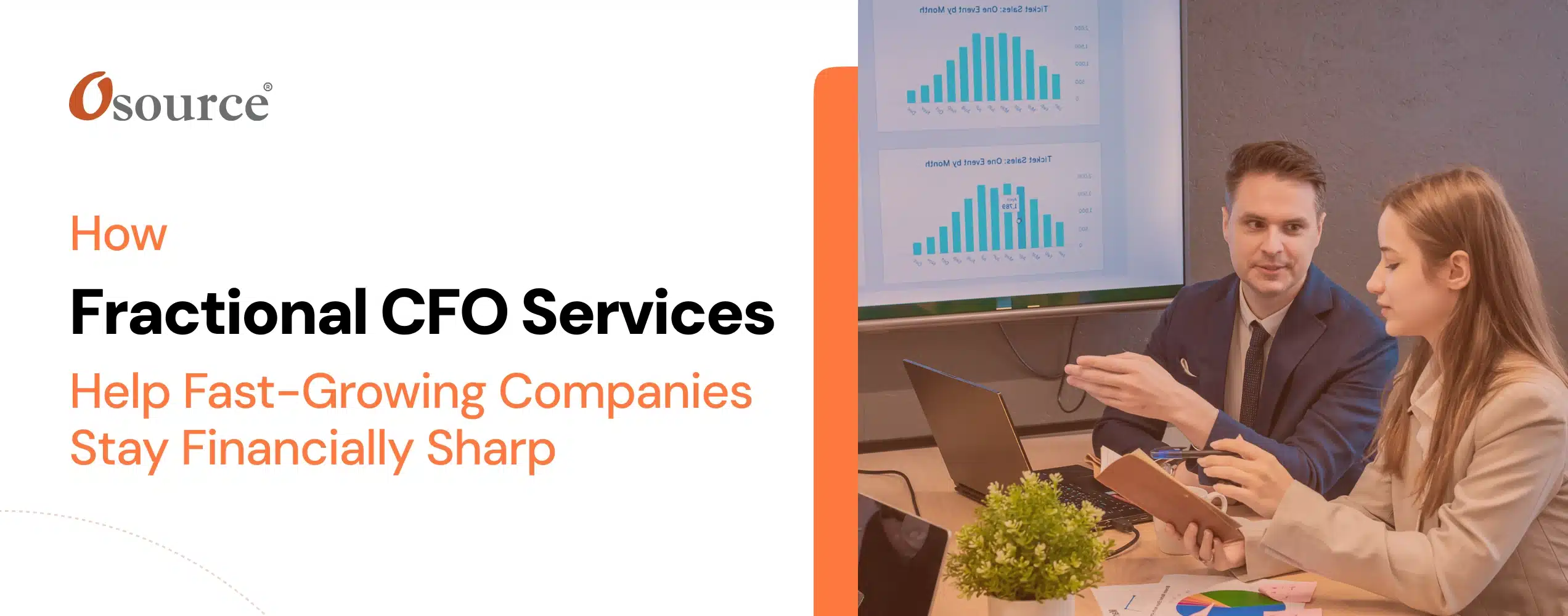
    How Fractional CFO Services Help Fast-Growing Companies Stay Financially Sharp

    Table of Contents

    I. Introduction

    Imagine this: Your company has just closed its best quarter ever. Revenue is soaring, team size is doubling, and product demand is growing at a record pace. Yet, during your latest quarterly planning session, everything screeches to a halt because no one can clearly say whether you can afford the new marketing campaign you’re proposing. The budget’s uncertain. The forecasts are outdated if they exist at all. Cash in the bank looks fine, but something feels off. Sounds familiar?

    Welcome to the growth paradox: Sometimes, the faster a company grows, the harder it becomes to manage its finances. And while this might seem like a problem for your CEO or finance department, it has a direct line to marketing—especially for senior marketing professionals tasked with optimizing budgets, demonstrating ROI, and making smart, data-informed investments in growth.

    That’s where Fractional CFO services come in.

    A Fractional CFO is a strategic financial expert available on a part-time, contract, or project basis. They bring high-level financial leadership without the full-time CFO price tag. Think of them as the financial compass that helps fast-growing companies stay aligned, clear-eyed, and ready to scale.

    As a marketing leader, understanding how a Fractional CFO can bring accuracy and clarity to your growth strategy is game-changing. From sharper budget planning to better ROI forecasting, their impact goes beyond the finance department and into every department that’s trying to make data-driven decisions.

    In this blog post, we’ll explore:

    • Why fast-growing companies outgrow basic finance functions
    • What Fractional CFOs actually do (beyond spreadsheets)
    • How financial planning, forecasting, and cash management support sustainable marketing growth
    • How real-time financial strategy fuels smarter marketing decisions

    So, if you’ve ever asked, “How do I get smarter with budget planning while growing faster?” this one’s for you.

    II. The Growing Pains: Why Fast-Growing Companies Need Strategic Financial Leadership

    When Your Company Outgrows Basic Bookkeeping

    Scaling a company is exciting, but growth often introduces complexity faster than internal processes can keep up. Here’s what happens when fast-growing companies push beyond the limits of basic bookkeeping and controller-level management.

    A. Common Financial Challenges in Hypergrowth

    • Increasing revenue, but still stressed about paying bills
    • No reliable way to predict cash flow beyond 30 days
    • Marketing budgets that shift last minute due to unclear financials
    • Lack of real-time visibility into departmental performance
    • Disconnected budgeting processes between finance and marketing

    These issues often come down to one thing: a lack of strategic financial leadership.

    B. The Full-Time CFO Dilemma

    Hiring a full-time CFO sounds like the obvious solution—until the realities set in:

    • Full-time CFOs often cost between $200,000 and $400,000 per year.
    • Fast-growing companies may not need one 40+ hours a week just yet.
    • Waiting too long to bring strategic financial thinking into the company leads to missed opportunities (and costly mistakes).

    Here’s where a Fractional CFO fits in: You get seasoned financial leadership tailored to your growth stage, without the full-time cost commitment.

    C. Why Marketing Has a Stake in Financial Clarity

    For senior marketing professionals, unclear financials can be a serious roadblock:

    • Marketing often becomes the most flexible line item on the budget.
    • Without clear KPIs tied to CAC (Customer Acquisition Cost), LTV (Lifetime Value), and contribution margin, it’s hard to defend marketing spend.
    • Quarterly and annual planning cycles fall apart without reliable forecasts.

    When your CFO or fractional version works hand-in-hand with marketing, campaigns become more than creative ideas; they become data-backed investments.

    III. What Fractional CFO Services Actually Include

    Beyond Number Crunching: The Fractional CFO Value Proposition

    A good Fractional CFO does more than tidy up your books or build a spreadsheet. They bring financial strategy, business context, and operational fluency to the table.

    A. Core Fractional CFO Services

    • Strategic Financial Planning & Analysis (FP&A)
    • Financial Forecasting & Modeling
    • Cash Flow Management
    • KPI Development & Dashboards
    • Board & Investor Reporting (learn more)

    B. Growth-Specific Support

    • Fundraising Readiness
    • Investor Relations
    • Systems & Infrastructure Scale-Up (see how)
    • Pricing Strategy Optimization
    • Unit Economics Analysis

    C. Partnerships Across Departments

    • ROI Analysis
    • Sales Forecast Alignment
    • Product Profitability Analysis
    • Expansion Scenario Planning

    IV. Strategic Financial Planning: Building Your Growth Roadmap

    How Fractional CFOs Transform Financial Planning for Fast-Growing Companies

    One of the most underrated benefits of working with a Fractional CFO is the discipline they bring to a company’s planning cycle.

    A. Building a Strategic Financial Plan (12–36 months)

    • Cover 1 to 3 years of growth targets
    • Integrate go-to-market plans, product strategy, and hiring forecasts
    • Provide flexibility by modeling multiple paths forward

    B. Smarter Resource Allocation

    • Investment Triaging
    • Department-Level Efficiency Reviews
    • Capital Efficiency Metrics

    C. Marketing + Finance: A Strategic Alliance

    • Annual budgets that align with CAC targets and ramp timelines
    • Growth model tiers that map marketing spend to outcomes
    • A shared North Star for ROI and revenue growth

    FAQ

    What does a fractional CFO do?
    A Fractional CFO is a strategic financial expert available on a part-time, contract, or project basis, focused on strategy, planning, and performance alignment.

    How much does a full-time CFO cost versus a fractional CFO?
    Full-time CFOs usually cost $200,000–$400,000/year. Fractional CFOs provide similar value at a fraction of the cost based on company needs.

    Is a fractional CFO only useful during fundraising?
    No. While helpful during fundraising, they provide ongoing value by streamlining budgeting, forecasting, reporting, and strategic planning.

    How does a fractional CFO benefit marketing?
    They help marketers plan campaigns with financial clarity, measure ROI, and justify budget allocations more confidently.

    When should a company hire a fractional CFO?
    Growth phase companies that face financial complexity but aren’t ready for full-time CFO hires often see immediate value from fractional CFOs.

    How Fractional CXOs Complement Executive Teams Without Adding Headcount

    Table of Contents 

    1. Introduction
    2. What Is a Fractional CXO — And Why It Matters
    3. How Fractional CXOs Complement Executive Teams
    4. What Fractional CXOs Do: Role Breakdown
    5. Key Components for a Successful Fractional CXO Engagement
    6. Why This Model Works — Strategic Benefits
    7. Challenges & How to Overcome Them
    8. How Osource Global Supports Fractional CXO Engagements
    9. Final Thoughts: Unlocking Growth with Fractional CXOs

    Modern businesses can no longer wait for growth — they need strategic leadership now, yet without the overhead of full-time executives. Hiring a full-time C-level executive can be costly and time-consuming, yet strategic leadership is essential for scaling and sustaining success.

    This is where a fractional CXO comes in. By bringing in seasoned C-suite expertise on a part-time or project basis, companies can access high-level strategic guidance, drive transformation, and strengthen leadership without adding headcount. Through fractional leadership, organisations can fill critical gaps, accelerate decision-making, and enhance team capabilities, all while keeping costs under control.

    In this blog, we’ll explore how fractional CXOs complement executive teams, why this model is becoming increasingly popular, the specific roles they play, key components of a successful engagement, and practical insights for implementing this approach effectively.

    What Is a Fractional CXO — And Why It Matters

    A fractional CXO is a C‑level executive (such as CFO, COO, CTO, CMO, or CHRO) who works with a company on a part-time, project-based, or contract basis. Unlike external consultants, fractional CXOs have ownership, accountability, and a seat at the executive table — but without the fixed cost of a full-time hire.

    Here’s why this model is increasingly attractive:

    • Cost Efficiency

      Fractional hiring allows organisations to access executive-level leadership without the full salary, benefits, and long-term commitment of a permanent C‑suite member.

    • Access to High-Calibre Talent

    Through fractional talent, companies can tap into highly experienced leaders who may not be seeking full-time roles, yet can drive meaningful impact.

    • Scalability and Flexibility

     Business needs shift. You might need a CFO for a fundraising round, or a COO for a transformation project. With fractional leadership, you scale up or down as required.

    • Strategic, Objective Insight

    External, experienced executives bring fresh perspectives — unencumbered by internal politics or legacy processes, offering strategic clarity and governance.

    • Leadership Development

    Fractional CXOs don’t just do the work — they mentor and coach internal teams, helping build the company’s future leadership bench.

    How Fractional CXOs Complement Executive Teams Without Adding Headcount

    Here’s how a fractional CXO seamlessly complements and strengthens your existing leadership team — while keeping your organisational structure lean:

    Strategic Alignment & Executive Guidance

    Fractional CXOs integrate into the executive team, participating in board discussions, strategic planning, and high-level decision-making. They set priorities, define roadmaps, and lead critical initiatives — without the company needing to commit to a full-time hire.
    Because they’re not in the business for “just a quick fix,” they often have long-term vision and invest in sustainable growth.

    Operational Execution & Change Management

    A fractional COO can lead to operational transformation, process reengineering, and workflow automation. A fractional CTO / CIO can architect technology strategies, implement automation, and modernise infrastructure.
    These leaders often work hand-in-hand with internal teams, embedding best practices and building scalable systems, for example, supporting HR management solutions or business-automation initiatives.

     Financial Control & Risk Mitigation

    A fractional CFO can bring financial discipline, handle forecasting, fundraising, cost control, and governance. By putting in strong financial controls and oversight, they help mitigate risk without the burden of a full-time executive.
    Their experience across multiple organisations also helps in establishing sound governance frameworks, internal controls, and compliance mechanisms.

    Talent & Culture Development

    A fractional CHRO or CPO helps shape people strategy, talent acquisition, performance management, and culture-building. Through leadership development, they guide high-potential employees, build succession plans, and instil a culture of ownership.
    They can also help deploy fractional leadership practices internally, preparing your organisation to be more nimble in future hiring or restructuring.

     Governance & Accountability

    By including fractional CXOs in core decision-making forums, organisations benefit from rigorous, seasoned oversight.
    These leaders bring frameworks, processes, and a mature mindset to governance, helping scale the business safely and sustainably.

    What Fractional CXOs Do: Role Breakdown

    To give you a clearer idea of what fractional CXOs actually do, here are some typical roles and responsibilities:

    • Fractional CFO

    Strategic finance planning, cash‑flow management, investor relations, budgeting, financial governance, and risk mitigation.

    • Fractional COO

    Operations strategy, process optimisation, systematisation, automation, and vendor or supply‑chain oversight.

    • Fractional CTO / CIO

     Technology roadmap, digital transformation, infrastructure, automation platforms, and IT governance.

    • Fractional CMO

     Brand building, go-to-market strategy, demand generation, analytics-driven marketing, and digital transformation of marketing functions.

    • Fractional CHRO / CPO

    People strategy, talent management, organisational design, HR management solutions, succession planning, and employee development. These fractional leaders don’t just consult; they own critical parts of the business, drive projects, and leave lasting capability behind through leadership development.

    Key Components for a Successful Fractional CXO Engagement

    1. Define Clear Objectives

    Clearly outline the goals the fractional CXO is being hired to achieve (e.g., scaling operations, reducing costs, leading digital transformation).
    Establish key performance indicators (KPIs), deliverables, timelines, and the expected time commitment (e.g., days per month or milestone-based work).

    2. Onboarding & Integration

    Integrate the fractional CXO into leadership meetings, strategy sessions, and core working groups from day one.
    Provide access to relevant data, systems, and stakeholders, and set up regular communication rhythms (weekly updates, dashboards).

    3. Ownership & Trust

    Treat the fractional CXO as a full peer, not just an external contractor, to build credibility and influence.
    Encourage psychological ownership by involving them in key decisions, aligning incentives, and fostering mutual trust.

    4. Knowledge Transfer & Mentorship

    Leverage the CXO’s expertise to coach internal teams, share frameworks, and build institutional capability.
    Ensure documentation, training, and process standardisation are in place to embed their learnings for long-term impact.

    5. Performance Tracking & Accountability

    Conduct regular reviews to assess progress against KPIs and track outcomes in financial, operational, and cultural areas.
    Collect feedback from the board, peers, and team members to measure integration and effectiveness.

    6. Exit or Transition Planning

    Define engagement duration, renewal possibilities, and transition options at the outset.
    Plan for handover to internal leaders, document strategies and processes, and determine whether the role scales down, shifts to advisory, or becomes permanent.

    Why This Model Works — The Strategic Benefits of Fractional CXOs

    Here’s a summary of why fractional CXOs are a powerful addition to executive teams, especially from a strategic standpoint:

    • Agility: You access top leadership only when you need it.
    • Risk‑managed Growth: You avoid the cost and commitment of full-time C‑suite hiring.
    • High Impact: Experienced talent brings credible vision and execution capability.
    • Capacity Building: Fractional CXOs mentor internal teams and boost leadership strength.
    • Sustainable Strategy: With their governance perspective, they help build resilient, scalable structures.

    When combined with Osource Global’s automation and consulting expertise, this model becomes even more effective as our fractional CXOs not only strategize but can also tap into our IT solutions to drive transformation.

    Challenges & How to Overcome Them

    Even with strong benefits, fractional CXO engagements come with their own set of challenges. Here are common pitfalls  and how to mitigate them:

    Perception Risk

     Issue: Teams might see fractional CXOs as “part‑timers,” not real leaders.
    Solution: Build trust by integrating them fully into the leadership team, giving them visibility, and involving them in major decisions.

    Commitment Concerns

    Issue: Fractional CXOs may have other clients, raising fears of divided attention.
    Solution: Clarify their availability upfront, agree on working days, set response expectations, and create a communication framework.

    Limited Hours

    Issue: Part-time hours may limit bandwidth.
    Solution: Use their time strategically for high-leverage tasks, and support them with internal teams or external resources (such as automation via our services).

    Cultural Fit

     Issue: They might struggle to assimilate into your company’s culture.
    Solution: Invest in onboarding, invite them to team-building rituals, and encourage mutual cultural alignment.

    Measuring Impact

     Issue: Hard to quantify their contribution.
    Solution: Set clear KPIs, use regular reviews, and gather feedback from multiple stakeholders to evaluate their integration and performance.

    How Osource Global Supports Fractional CXO Engagements

    At Osource Global, we help businesses leverage fractional CXOs effectively by embedding them within a broader ecosystem of fractional talent, combining strategic leadership with our operational delivery capability. 

    Our IT solutions, including automation platforms, HR systems, and process orchestration, provide the infrastructure these executives need to execute transformation smoothly.

    We also offer HR management solutions to help fractional CHROs/CPOs scale people strategies, performance frameworks, and leadership pipelines. Through focused leadership development, our fractional CXOs mentor internal teams, building lasting organisational capability.

    Conclusion

    Engaging a fractional CXO isn’t just about filling a leadership gap; it’s about driving strategic impact, building internal capability, and creating lasting value. By leveraging fractional leadership alongside Osource Global’s expertise, businesses can achieve agility, cost efficiency, and sustainable growth without adding full-time headcount.

    If you’re considering a fractional CXO for your organisation, take the time to explore how this model aligns with your goals. At Osource Global, we’re here to help you maximise ROI, strengthen leadership, and drive transformation. Let’s connect and take your executive team to the next level.

    FAQs :

    What is a fractional CXO?
    A fractional CXO is a part-time C-level executive who provides strategic leadership on a project or contract basis without the cost of a full-time hire.

    How can fractional CXOs benefit my business?
    They bring expertise, guide operations, mentor teams, and implement HR management solutions, all while keeping headcount lean.

    What roles can a fractional CXO take on?
    Fractional CXOs can serve as CFOs, COOs, CTOs/CIOs, CMOs, or CHROs/CPOs, focusing on strategy, execution, and leadership development.

    How does Osource Global support fractional CXO engagements?
    We embed fractional CXOs within a network of fractional talent, backed by IT solutions, HR management frameworks, and leadership mentoring.

     How do I measure the impact of a fractional CXO?
    Impact is tracked through KPIs, operational outcomes, financial performance, and team feedback to ensure measurable value.

    Workforce Management Software Benefits | Osource Global

    Key Takeaways

    • Departmental silos cause inefficiencies, compliance risks, and loss of productivity.
    • Onex CMS offers centralized tools that automate and streamline contract management.
    • Legal, Procurement, and Finance teams all benefit from shared visibility and collaboration.
    • Organizations report reduced cycle times, improved compliance, and higher ROI using Onex CMS.
    • Integrated systems like Onex CMS are essential for modern, agile business operations.


    Table of Contents


    I. Introduction

    Ever felt like your departments are playing a game of telephone with contracts—and everyone’s getting a different message? If you’re a senior marketing or operations leader, chances are you’ve experienced siloed communication between your legal, procurement, and finance teams. The delays, the redundant tasks, the version mix-ups—it all adds up to unnecessary stress, lost productivity, and potentially serious business risks.

    In today’s fast-paced business landscape, organizations can no longer afford disjointed workflows. Legal teams are focused on risk, procurement on value and vendor performance, and finance on budget control and compliance. Each team plays a critical role—but when they aren’t working from the same system, inefficiencies multiply.

    Enter Onex CMS: a centralized contract management system purpose-built to unify legal, procurement, and finance functions under one digital roof. By bringing these core departments together with shared tools, real-time visibility, and automated workflows, Onex CMS closes the gaps that slow deals, cause errors, and cost money.

    In this article, we’ll explore how Onex CMS boosts efficiency for legal, procurement, and finance teams; unpack the key features behind its power; and show you how organizations like yours are measuring ROI from seamless cross-departmental collaboration.

    Whether you’re evaluating new tech or revamping operations, this deep dive will offer actionable insight into how Onex CMS can transform your contract management processes and break silos for good.


    II. The High Cost of Departmental Silos: Why Integration Matters

    How Departmental Silos Impact Business Efficiency and Bottom Line

    Siloed departments are a hidden cost center in addition to being an organizational hassle. Departmental inefficiencies cause businesses to lose up to 20% of their productivity, according to a McKinsey analysis. The disintegration of legal, procurement, and finance affects contract execution speed, accuracy, and compliance.

    Here are some common friction points:

    •  Duplicate Data Entry: Each team enters the same contract data into different systems—wasting time and increasing risk of error.
    •  Version Control Issues: Multiple PDFs and emails floating around lead to confusion about the latest contract iteration.
    •  Miscommunication and Delays: Without shared visibility, approvals and edits get bottlenecked.
    • Compliance Risks: Disconnected systems complicate tracking obligations, renewal dates, and regulatory requirements.

    Now consider this: Gartner notes that integrated contract management can reduce contract cycle times by up to 30%. That means faster negotiations, quicker deal closures, and better cash flow. The ROI of integration isn’t just theoretical:

    • 25–40% improvement in compliance tracking accuracy.
    • 18% average savings in procurement through better negotiation leverage.
    • Up to 60% reduction in manual contract tasks.

    By connecting legal, procurement, and finance through an integrated solution like Onex CMS, organizations can dramatically enhance both operational efficiency and bottom-line impact.


    III. Core Capabilities: What Makes Onex CMS the Central Hub for Three Critical Departments

    Onex CMS Features That Drive Cross-Departmental Efficiency

    The true value of contract lifecycle management software isn’t just document storage—it’s intelligent collaboration. Onex CMS stands apart as a unified platform tailored for seamless coordination between your most data-critical departments.

    Here’s how:

    1. Centralized Contract Repository

    • One single source of truth for all contracts across departments. Paperless Prosperity
    • Easy access to current contracts, past agreements, templates, and more.
    • Searchable by vendor, date, clause type, and obligation.

    2. Real-Time Collaboration Tools

    • Simultaneous editing, commenting, and redlining.
    • Internal and external stakeholder access with custom permissions.
    • Notifications and change tracking keep teams in sync.

    3. Automated Workflows

    • Contract creation, review, and approval processes happen automatically—no more waiting on manual follow-ups. Workflow Automation
    • Built-in logic routes contracts based on value thresholds, regions, or contract type.

    4. Advanced Analytics and Reporting

    • Dashboards for each department to track KPIs, obligations, and performance.
    • Custom reports for leadership or audit needs.

    5. Audit Trails and Compliance Tracking

    • Full time-stamped histories of changes, reviews, approvals, and signatures.
    • Compliance alerts ensure deadlines and regulatory requirements are met.

    6. Integrations with Existing Platforms

    • Easily integrates with CRMs, ERPs, and finance systems like SAP, Oracle, Salesforce, and QuickBooks.
    • API capabilities allow tailor-made software ecosystems.


    IV. How Legal Teams Benefit from Onex CMS

    How Onex CMS Enhances Legal Team Productivity and Contract Management

    A. Streamlined Contract Creation and Review

    • Use pre-approved template and clause libraries to reduce drafting time.
    • Redline documents within the platform, seeing all changes in real-time.
    • Automate review and approval workflows to reduce cycle time by up to 40%.

    B. Risk Mitigation and Compliance

    • Track contract obligations and deadlines with automated alerts.
    • Monitor compliance with built-in controls and regulatory flags. Compliance Automation
    • Maintain a full audit trail for legal defensibility.

    C. Time Savings and Productivity Gains

    • 50% reduction in time spent searching for contracts.
    • 35% decrease in contract drafting efforts.
    • 60% fewer escalations due to miscommunication with other departments.


    V. How Procurement Teams Leverage Onex CMS for Maximum Efficiency

    Onex CMS for Procurement: Optimizing Vendor Management and Cost Control

    A. Vendor and Supplier Management

    • Store all vendor information and contracts in one place.
    • Track vendor performance over time using KPIs.
    • Automate renewal alerts to reduce missed savings opportunities.

    B. Purchase Order and Contract Alignment

    • Auto-sync purchase orders with associated contracts.
    • Real-time visibility into contract status streamlines purchasing decisions.
    • Store negotiation notes, stakeholder input, and term history all within the system.

    C. Cost Optimization

    • Analyze vendor spending, identify overcharges, and uncover cost-saving opportunities
    • Use data trends to negotiate better terms—with finance and legal already looped in.
    • Remove shadow spending by centralizing all contracts and commitments.


    VI. How Finance Teams Drive Financial Performance with Onex CMS

    How Finance Teams Use Onex CMS for Accurate Reporting and Forecasting

    A. Financial Visibility and Forecasting

    • Track payment schedules, revenue triggers, and contingent liabilities directly in the contract interface.
    • Align contract obligations with budget cycles and forecasts.
    • Pull contract data into financial models instantly.

    B. Accurate Financial Reporting

    • Seamlessly integrate with ERP systems like Oracle, NetSuite, and Dynamics.
    • Automate data extraction from contracts—no more manual entry.
    • Reduce reconciliation errors and ensure clean audit trails. Reduce Financial Risk

    C. Audit Preparedness

    • Easily retrieve historic contracts and amendments.
    • Store compliance documentation by parties, industries, or project codes.
    • Monitor financial transactions connected to contracts.


    VII. The Collaboration Advantage: Breaking Down Silos with Onex CMS

    Improving Cross-Departmental Collaboration with Contract Management Software

    Let’s walk through a real-world example.

    Imagine procurement initiates a vendor contract. Legal steps in to negotiate terms, redline key clauses, and approve final wording. Finance needs to verify budget allocation and payment terms before final sign-off.

    With disconnected systems, this takes weeks. Emails pile up. Files get lost. Delays set in.

    With Osource Global’s Onex CMS:

    • Procurement uploads vendor details and template selection.
    • Legal redlines are directly in-platform with automatic version control.
    • Finance reviews payment terms via a shared dashboard.
    • All parties receive real-time updates and approval alerts.

    Key collaboration features enabling this include:

    • Shared role-based dashboards customized for each department.
    • In-line commenting for precise discussions.
    • Notifications that alert the right users at the right time.

    The result? Contracts are finalized faster, compliance is ensured, and no one’s left in the dark. This collaboration leads directly to improved deal velocity, reduced friction, and better business outcomes.


    VIII. Measuring Success: KPIs and ROI Metrics

    ROI of Implementing Onex CMS Across Legal, Procurement, and Finance

    • 30–40% reduction in contract cycle times
    • 18–25% decrease in contract-related operating expenses
    • 60% fewer errors in contract execution
    • Double-digit improvements in audit-readiness scores

    Other metrics to track include:

    • Volume of contracts processed per quarter
    • Average time to approval
    • Vendor compliance rate
    • Legal escalations or disputes per contract type

    If implemented correctly, most customers report full ROI within 6 to 12 months.

    Want to build your own business case? Start by benchmarking your current contract lifecycle—from draft to execution—and compare it to the streamlined metrics from Onex CMS implementations.


    IX. Conclusion

    Disjointed contract processes are more than an inconvenience—they’re a serious barrier to operational excellence. The good news? They’re also incredibly fixable.

    With Onex CMS, legal, procurement, and finance teams no longer have to work in silos. Instead, they can operate from a shared platform that enhances transparency, accelerates workflows, and streamlines compliance.

    Whether you’re trying to boost efficiency, reduce risk, or simply get contracts executed faster, Onex CMS serves as the digital backbone your organization needs.

    Break down the walls. Work smarter. And give your cross-functional teams the collaborative tools they deserve.

    Ready to see what Onex CMS can do for your organization? Start a demo or request a consultation today.

    Because when legal, procurement, and finance are aligned, great business follows.


    FAQ

    What is Onex CMS?

    Onex CMS is a centralized contract management system designed to unify legal, procurement, and finance operations through cross-functional collaboration and automation.

    How does Onex CMS help reduce contract cycle times?

    By automating workflows, enabling real-time editing and approvals, and providing a shared repository, Onex CMS cuts down manual delays and errors to reduce overall cycle times by up to 40%.

    Can Onex CMS integrate with our current ERP or CRM?

    Yes, Onex CMS supports integration with popular platforms like SAP, Oracle, Salesforce, and QuickBooks through native tools and API capabilities.

    Is Onex CMS suitable for small or mid-sized businesses?

    Absolutely. Onex CMS is scalable and customizable to the needs of organizations of all sizes, offering immediate benefits with minimal implementation disruption.

    How Companies Accelerated Growth with Fractional CXOs

    Key Takeaways

    • Fractional CXOs offer high-level executive leadership without long-term commitments.
    • They help companies scale faster at a fraction of the cost of full-time C-suite hires.
    • Real-world case studies prove measurable ROI in marketing, finance, ops, and technology.
    • Clear communication, goal alignment, and integration are key to success.

    Table of Contents


    I. Introduction

    Here’s a stat that’s hard to ignore: 73% of fast-growing companies now leverage fractional executives to support their scaling strategies. This shift isn’t just a trend—it’s becoming a vital growth lever for modern businesses, especially in an era defined by economic uncertainty, rapid technological changes, and a tight talent market.

    As organizations scale, they face a leadership paradox: the need for top-tier strategic guidance without the resources—or sometimes the need—for full-time C-suite hires. Enter the rise of the “fractional CXO” model, where companies get on-demand access to highly experienced executives across functions like marketing, finance, operations, and technology.

    Smart, growing companies are closing critical leadership gaps, navigating uncertainty, and outperforming competitors—without breaking the bank or committing to long-term executive contracts.

    In this article, we’ll dive into what fractional CXOs are, why they’re more relevant than ever, and just how they’re propelling companies toward faster, more sustainable growth. You’ll also see real-world success stories and get expert-backed tips on how to maximize value from these engagements.

    Whether you’re a senior marketing leader exploring flexible leadership models, or a founder prepping your organization for scale, this guide is built with you in mind.

    Let’s break it all down.


    II. What Are Fractional CXOs and Why They Matter Now

    A. Defining the Fractional Executive Model

    A fractional CXO (Chief “X” Officer) is a seasoned executive who works with an organization on a part-time, contract, or project basis. These professionals bring deep expertise in their function and operate just like a traditional executive—only without the full-time commitment.

    Common fractional roles include:

    • Chief Marketing Officer (CMO)
    • Chief Financial Officer (CFO)
    • Chief Operating Officer (COO)
    • Chief Technology Officer (CTO)
    • Chief Human Resources Officer (CHRO)

    Typical engagement models vary, including:

    • Hourly or weekly time allocations (e.g., 2 days/week)
    • Monthly retainers
    • Fixed-scope projects (e.g., product launch, rebranding, preparing for fundraising round)

    Fractional executives bring enterprise-grade insights and decision-making acumen to companies that need strategic firepower but can’t yet (or don’t want to) onboard full-time C-suite talent.


    B. The Business Case for Fractional Leadership

    Economic uncertainty—especially post-pandemic—has put pressure on organizations to be lean yet decisive.

    There’s a growing scarcity of experienced executives willing to relocate or join risky early-stage ventures. Scaling startups and mid-market businesses need next-level guidance to break through plateaus without inflating headcount costs.

    Some figures tell the story well. A full-time C-level executive in the U.S. easily commands $200,000–$450,000/year in base salary—before equity and benefits. In contrast, a fractional executive might deliver comparable impact at a fraction of the cost.

    Beyond dollars, there’s also agility and speed. Fractional executives can be deployed quickly, plugged into specific initiatives, and swapped out as business needs evolve. Their outsider perspective and breadth of experience often help identify blind spots that internal teams might miss.


    C. Dispelling Common Misconceptions

    Despite the growing popularity of fractional leaders, a few myths still linger:

    • “They’re not committed enough” — In reality, fractional CXOs build strong, accountable relationships with their clients.
    • “They’re lower quality than full-time hires” — Most fractional leaders have already held full-time executive roles and are now consulting by choice to work with diverse, high-impact clients.
    • “It’s hard to integrate an outsider” — With clear expectations and onboarding, fractional CXOs often integrate seamlessly into executive teams.


    III. 5 Ways Fractional CXOs Accelerate Company Growth

    A. Strategic Leadership Without Long-Term Commitment

    Fractional executives give growing businesses instant access to strategic leadership—without the pressure of long-term contracts.

    Benefits include:

    • Quick onboarding and fast execution
    • Ability to “test drive” a leadership fit before making a full hire
    • Coverage for sudden gaps or maternity/medical leaves

     Case in Point: A SaaS startup with $2M in ARR brought in a fractional COO for two days a week over six months. This executive helped redefine the company’s operating model, implemented KPIs, and advised the CEO on org structure.

    The results?

    • ARR skyrocketed to $10M within 18 months
    • Employee engagement scores rose by 32%
    • The company hired the fractional COO full-time later that year

    The takeaway: Strategic thinking + operational discipline can fuel scale fast—even on a part-time basis.


    B. Enhanced Go-to-Market Strategies and Revenue Acceleration

    A fractional CMO can bring clarity and momentum to your go-to-market engine. These leaders often help companies:

    • Define ideal customer profiles (ICPs)
    • Develop content and performance marketing strategies
    • Optimize sales channels and lead qualification processes

    Case in Point: A B2B SaaS company engaged a fractional CMO for 9 months to improve marketing performance and drive pipeline growth.

    With optimized messaging, restructured ad spend, and new nurture flows:

    • Reduced CAC by 40%
    • Increased MQL-to-SQL conversion 2.5x
    • 3x jump in marketing ROI


    C. Operational Excellence and Process Optimization

    Fractional COOs help companies scale by eliminating inefficiencies and implementing performance metrics.

    Where they shine:

    • Process standardization
    • Vendor negotiation and tech stack rationalization
    • Hiring/restructure planning

    Case in Point: A manufacturing firm brought in a fractional COO to audit operations. In five months:

    • 15% improvement in profit margins
    • 400 hours saved per quarter
    • 12% reduction in delivery time


    D. Financial Strategy and Investor Readiness

    A seasoned fractional CFO is invaluable today. They can:

    Case in Point: A growing tech firm brought in a fractional CFO for 2 days/week for 6 months. Key changes:

    • Financials restructured to match VC expectations
    • Runway extended and costs cut
    • Raised $6M Series A at 30% higher valuation


    E. Rapid Market Entry and Product Innovation

    Fractional CTOs help sharpen innovation with:

    • Tech stack evaluations
    • MVP building
    • Product roadmap development

     Case in Point: A logistics company engaged a fractional CTO for 12 months and launched a new SaaS platform, internal re-skilling, and $3M in new revenue.


    IV. Real Success Stories: Companies That Won with Fractional CXOs

    Case Study 1: Mid-Market B2B Company

    • Challenge: Stagnant growth
    • Solution: CMO 3 days/week for 9 months
    • Results: 156% pipeline lift, 3x revenue boost

    Case Study 2: Tech Scale-Up

    • Challenge: Cash burn, lack of discipline
    • Solution: CFO + COO 2 days/week each
    • Results: 22% cost savings, 1.7x valuation increase

    Case Study 3: Legacy Business Going Digital

    • Challenge: Competitor innovation
    • Solution: CTO 12-month engagement
    • Results: 35% cost reduction, six-figure new revenue


    V. How to Maximize ROI from Fractional CXO Engagements

    A. Define Clear Objectives and Metrics

    Start with clarity. Define KPIs, align the team, and map milestones.

    B. Integration Best Practices

    • Onboard them like any other executive
    • Pair with internal leads
    • Schedule weekly updates

    C. Continuous Feedback and Adaptability

    • Reassess goals every 6 weeks
    • Quarterly ROI evaluation
    • Allow role evolution


    FAQ

    What is a fractional CXO?
    A fractional CXO is a part-time C-level executive providing high-impact strategy and leadership without a full-time contract.

    How long do engagements typically last?
    Most last from 3 to 12 months, depending on the scope and goals.

    Are fractional CXOs suitable for small businesses?
    Yes, especially for startups and SMBs that need executive expertise without the cost.

    Can fractional CXOs work remotely?
    Absolutely. Many engagements are designed to be remote-first or hybrid.

    How do I find the right fractional CXO?
    Work with agencies or platforms that vet experienced executives for short-term assignments.

    How Onex SMS Enhances Budgeting And Forecasting With Smarter Expense Management

    Establishing a robust expense management system is not only a necessity but also a strategic advantage in a time when financial agility can make or break a company.Many companies still rely on fragmented processes, spreadsheets and email trails to handle procurement and expenses, which not only slows things down but also introduces risk. That’s where Onex SMS comes in. Developed by Osource Global, Onex SMS streamlines the entire procure-to-pay cycle, giving your finance team greater control without the manual headaches. As organisations increasingly turn to spend management software to strengthen governance and visibility, Onex SMS stands out by offering automation and consistency across all spend processes

    By leveraging Onex SMS, organisations can gain real-time visibility into spending, consistent policy enforcement, and forecast more accurately — all while automating repetitive tasks and reducing the burden on your people. The result? Smarter financial planning, better budgeting, and a safer, more scalable way to manage business spend.

     In this blog, we’ll explore how Onex SMS enhances budgeting and forecasting through smarter expense management.

    Understanding Smarter Expense Management

    At its core, smarter expense management is about creating structured, transparent, and efficient processes across all financial touchpoints. Traditional systems often force employees to navigate multiple tools, chase approvals, or manually track spending trends. These fragmented approaches may work at a small scale but become unreliable and costly as organisations grow.

    Modern enterprises require integrated solutions that centralise spend data, remove repetitive work, and deliver real-time insights. This is where platforms such as spend management software help businesses take control of purchasing activities, manage budgets more effectively, and reinforce compliance. When combined with advanced analytics and intelligent workflows, organisations can shift from reactive cost control to proactive financial planning.

    This shift also introduces smart expense management, enabling companies to automate routine processes, reduce financial leakages, and improve spending discipline. As businesses adopt smart expense management practices, they benefit from smoother operations and more consistent financial accuracy.

    Smarter processes benefit everyone involved — from employees raising purchase requests to CFOs who depend on accurate numbers to steer business strategy. With structured workflows and automated controls, expense management becomes less about tracking and more about enabling informed financial decisions.

    Why Expense Management Matters for Budgeting and Forecasting

    Budgeting and forecasting are only as strong as the data behind them. When expense information is outdated, inconsistent, or scattered across multiple systems, financial projections lose reliability. This leads to misaligned budgets, unexpected variances, and reduced agility in responding to market shifts.

    By implementing technology-driven processes supported by solutions like expense management software, organisations gain immediate access to reliable spend data. Automated workflows reduce human errors, real-time dashboards offer clarity, and integrated systems ensure that spend data is accurate and complete. These capabilities also complement the functionality of financial planning software, helping finance teams align operational activities with long-term strategic goals.

    In addition, the use of spend management software ensures data consolidation, reinforcing the accuracy of forecasts and supporting long-term financial stability.

    Smarter expense management ultimately strengthens organisational resilience. With better insights and stronger controls, businesses can predict future financial needs, allocate resources more meaningfully, and support leadership in making well-informed decisions.

    How Onex SMS Enhances Expense Control and Financial Accuracy

    Onex SMS has been designed with one core philosophy: simplify the procure-to-pay cycle while improving financial accuracy. The platform takes care of every step in the purchasing process — a capability that becomes invaluable for organisations aiming to build efficient spend structures.

    One of the biggest advantages of Onex SMS is its ability to eliminate manual involvement across procurement. The system automates item search, requisition creation, multi-level approvals, vendor coordination, purchase order issuance, goods receipt, invoice matching, and payment authorisation. This means teams no longer need to rely on spreadsheets, phone calls, or email chains to complete routine tasks. Automation removes manual worries entirely, ensures consistency, and speeds up end-to-end processing.

    With automation at its core, Onex SMS frees finance teams from administrative burdens. Instead of chasing paperwork or correcting errors, teams can focus on analysing trends, improving budgets, and strengthening future financial strategies. This automated backbone lays the foundation for smart expense management, enabling faster decisions and cleaner financial reporting.

    Key Components of Onex SMS That Strengthen Budgeting and Forecasting

    1. Complete Procure-to-Pay Automation

    Onex SMS digitises every stage of procurement, ensuring a seamless flow of information from requisition to payment. Automated invoice matching, approval routing, and vendor workflows significantly reduce errors and delays. This level of automation amplifies the accuracy of expense management and creates a dependable data source for forecasting.

    2. Improved Spend Visibility

    Finance teams gain instant clarity through real-time dashboards and detailed reports. Enhanced spend visibility enables leaders to monitor costs, track purchasing behaviour and understand which areas require financial attention. With consistent spend visibility, forecasting becomes far more targeted and precise.

    3. Strong Policy Enforcement

    Compliance is a major challenge when multiple departments make purchasing decisions. Onex SMS incorporates built-in policy enforcement rules that govern every transaction. Automated policy enforcement ensures all spending aligns with corporate guidelines, preventing unauthorised purchases and strengthening budget accuracy.

    4. Integrated Expense Management Tools

    The platform includes user-friendly expense management tools that streamline the preparation, submission, and approval of expenses. These expense management tools reduce paperwork, accelerate processing, and ensure employees adhere to agreed standards. With consistent data flow into a central system, organisations gain a more reliable basis for financial analysis and planning.

    5. Insightful Reporting and Analytics

    Onex SMS delivers deep analytics that help finance leaders interpret spending patterns and plan ahead. With instant access to key insights, teams can detect anomalies, reallocate budgets quickly, and develop future projections backed by real data.

    6. Seamless System Integration

    The platform integrates easily with leading ERP systems, accounting platforms, and financial planning software, ensuring data moves smoothly across business functions. This interoperability strengthens long-term decision-making and supports more accurate forecasting.

    How Spend Management Software Strengthens Financial Outcomes

    Digital transformation has reshaped how organisations operate, and solutions like spend management software have become essential. They help eliminate inconsistencies, gather data in one place, and create transparent spend workflows. By supporting automated processes and real-time analytics, such tools enhance the strategic value of finance functions.

    When used in tandem with financial planning software, businesses gain a powerful combination: operational efficiency and strategic foresight. This pairing ensures budgets reflect reality and financial projections are grounded in accurate, consolidated data.

    These systems also empower organisations to scale without losing visibility or control. As spending grows, expense management software helps maintain compliance, manage suppliers, and reinforce approval structures — all of which play a pivotal role in strengthening long-term financial discipline.

    Overcoming Common Expense Challenges with Onex SMS

    With the intelligence commonly found in advanced spend management software, Onex SMS bridges these gaps with stronger oversight and improved spend governance

    1. Manual Delays and Errors

    Paper-based processes introduce inefficiencies. Through automation, Onex SMS enhances expense management, reduces errors, and accelerates approval cycles. Faster processing ensures issues don’t compound and affect budget timelines

    2. Fragmented Data

    When information is spread across tools, forecasting becomes unreliable. Onex SMS provides unified data, improving clarity and strengthening planning accuracy. Consolidated data reduces discrepancies and promotes accurate month-end reporting

    3. Compliance Gaps

    Inconsistent adherence to policies causes overspending. By embedding controls and automated approvals, the system reinforces compliance and protects budgets. With clear rules in place, teams can make decisions confidently and consistently.

    4. Poor Tracking and Reporting

    Without structured tools, financial insights are limited. By offering advanced analytics and integrated expense management tools, Onex SMS ensures consistent and actionable reporting. This continuous visibility allows leaders to respond proactively rather than reactively.

    5. Limited Scalability

    As organisations grow, so does spending complexity. Onex SMS scales effortlessly, offering structure, transparency, and control at every stage of the expansion.This scalability ensures that financial discipline remains intact even during rapid growth

    Conclusion

    Strengthening your organisation’s budgeting and forecasting starts with getting expense management right. With Onex SMS, you’re not just automating tasks — you’re creating a smarter, more controlled financial ecosystem that supports real business growth. Onex SMS streamlines procure-to-pay procedures, increases spend visibility, and minimizes manual labor, allowing finance teams to concentrate on what really counts: confidently planning and making well-informed decisions. 

    And with a more streamlined, data-driven approach, your organisation is better equipped to navigate financial challenges and scale sustainably.

    If you’re exploring ways to elevate your spend management and enhance financial efficiency, Osource Global is here to support you every step of the way. Ready to streamline your spend processes? Connect with Osource Global today.


    How Fractional CXO Benefits Help Founders Regain Focus on Strategic Growth

    Key Takeaways

    • Founders often lose strategic focus due to operational overload.
    • Fractional CXOs offer part-time executive leadership that scales with business needs.
    • They differ from consultants by executing strategy and integrating with teams.
    • This model enables cost-effective growth, expert leadership, and strategic clarity.
    • Ideal during business inflection points like scaling, raising capital, or launching new products.


    The Founder’s Dilemma: Why Strategic Focus Gets Lost

    The Unspoken Cost of Wearing Too Many Hats

    It’s thrilling to run a startup, but it can also be overwhelming, particularly if the founder is involved in every aspect of the business, from content marketing to compliance.

    A. The Reality of Founder Overwhelm

    • A Forbes analysis indicated that founders devote only 32% of their time to strategic work and roughly 68% to daily duties.
    • Many founders wind up handling payroll, preparing job descriptions, approving marketing copy, and closing customer tickets—tasks that, although essential, aren’t the best use of CEO time.

    When this happens:

    • Strategic plans stall.
    • Long-term vision gives way to putting out daily fires.
    • Mental fatigue sets in, leading to burnout—and potentially, bad business decisions.

    B. The Executive Expertise Gap

    A big contributor to this chaos? A lack of seasoned executive leadership in key roles.

    Why?

    • Early-stage companies often can’t afford full-time C-level salaries.
    • Attracting senior talent before reaching a certain revenue milestone is difficult.
    • Growth requires specialized functional expertise, yet founders can’t fill every CxO gap.

    The result is an unstructured or immature leadership layer, which can’t support scalability or alignment across departments.

    C. Consequences for Marketing and Growth

    • Brand positioning becomes inconsistent.
    • There’s no cohesive visibility into performance or metrics.
    • Revenue-driving initiatives get deprioritized in the name of “keeping things running.”

    This reactive cycle keeps the company stagnant, delays growth milestones, and limits market potential.


    What Are Fractional CXOs?

    Understanding the Fractional Executive Model

    Over the past decade, the gig economy didn’t just disrupt consumer markets—it’s quietly redefined executive leadership too.

    Fractional CXOs are experienced C-suite leaders who offer scalable, part-time support to help companies bridge operational, strategic, or organizational gaps without the full-time cost or commitment.

    A. Definition and Core Concept

    A fractional CXO typically engages 5–20 hours a week—depending on need—and immerses themselves in both high-level strategy and hands-on execution. Commonly fulfilled roles include:

    • Chief Marketing Officer (CMO)
    • Chief Financial Officer (CFO)
    • Chief Operating Officer (COO)
    • Chief Technology Officer (CTO)
    • Chief Human Resources Officer (CHRO)

    Engagement models are flexible:

    • Retainer-based (e.g., “20 hours per month”)
    • Project-based (“Help us launch our new product”)
    • Interim/full-time for fixed periods (e.g., “Serve as interim CMO during M&A”)

    B. How Fractional CXOs Differ from Consultants

    A frequent misconception: fractional CXOs are just glorified consultants.

    Not quite.

    Consultants Fractional CXOs
    Deliver insights/reports Execute strategy with internal teams
    Typically external Fully embedded in operations
    No direct reports Often manage departments or initiatives
    Advisory only Hands-on and accountable

    C. The Value Proposition

    • Cost-effective: Pay for leadership time appropriate to your stage—not a $250K+ salary package.
    • Proven expertise: Gain access to someone who’s “been there, done that” multiple times over.
    • Agility and flexibility: Engage for a quarter, a phase, or a specific goal—then reassess.


    Five Ways Fractional CXOs Help Founders Reclaim Strategic Focus

    From Operational Burden to Strategic Leadership

    A. Taking Operational Burdens Off the Founder’s Plate

    Delegating Day-to-Day Leadership Responsibilities

    This frees up the founder to:

    • Focus on investor relations
    • Refine product-market fit
    • Build strategic partnerships
    • Nurture company culture

    Case Exam: A growing B2B SaaS company was struggling to scale operations. The founder was deeply entangled in managing a 20-person team and deploying systems for customer success. A fractional COO came onboard three days a week, stabilized workflows, introduced a new customer onboarding process, and hired a permanent ops lead within four months. The founder was able to re-focus on fundraising and product innovation.

    B. Bringing Specialized C-Suite Expertise

    Accessing Senior-Level Knowledge Without Full-Time Commitment

    • Deep expertise in managing complexity
    • Specialized knowledge such as go-to-market strategy, enterprise sales, M&A, or growth finance
    • Pre-built playbooks tailored for early-stage or growth-stage businesses

     Case Example: A Series A startup had product demand but no consistent pipeline. A fractional CMO, previously at two hyper-growth SaaS firms, was hired 10 hours/week. She optimized the marketing funnel, implemented attribution modeling, and built a demand-gen team that doubled lead quality within 60 days. Cost? Less than one junior full-time hire—and 10x the impact.

    C. Accelerating Strategic Initiatives

    Moving from Planning to Execution

    • Develop roadmaps linked to business goals
    • Make tough priority calls
    • Unlock bottlenecks that gum up workflows
    • Align stakeholders across marketing, sales, and finance

    Case Example: A fractional CFO supported a healthtech startup preparing for Series B. She cleaned up reporting, introduced investor-ready dashboards, and ran scenario planning for the raise. The funding process became smoother and faster, as she presented metrics founders hadn’t even considered.

    D. Building Scalable Teams and Processes

    Creating Infrastructure for Sustainable Growth

    Importantly, they mentor internal staff—providing continuity even after they’ve transitioned out.

    E. Providing Objective, External Perspective

    Challenging Assumptions and Identifying Blind Spots

    • Bring external benchmarks and best practices
    • Offer clarity when internal politics cloud decision-making
    • Surface market opportunities founders may miss
    • Serve as a trusted sounding board without the emotional baggage


    When Founders Should Consider Fractional CXO Support

    Identifying the Right Time for Fractional Executive Leadership

    A. Key Business Inflection Points

    Fractional assistance can be a game-changer if your business is at or near any of the following pivot points:

    • You’re moving up to Series A or B from the seed level.
    • You’re preparing for or recovering from rapid growth
    • You’re introducing new products or breaking into new markets.
    • You’re planning an acquisition or exit
    • You’re restructuring internally or implementing culture change

    B. Look for These Red Flags:

    • Functional areas are being run by junior or overstretched staff
    • KPI’s are nonexistent—or unclear
    • Strategic projects continuously get pushed aside
    • The founder feels stuck or overwhelmed
    • Hiring a full-time exec feels risky or too expensive

    C. Start with a Focused Scope

    • A 90-day engagement
    • One strategic initiative (e.g., “Fix our GTM strategy”)
    • Or a fractional leader to support hiring a full-time executive


    Final Thoughts

    Fractional CXOs are no longer just a stopgap. They’re a strategic asset for startups and growth-stage companies looking to scale without burning out their founders—or breaking the bank.

    For senior marketing leaders, bringing a fractional executive into the fold can improve cross-departmental alignment, bring campaigns to life faster, and mature your brand’s strategic posture.

    The best part? You don’t have to choose between subject-matter excellence and cost discipline. With the right fractional CXO, you get both.

    So if you know a founder who spends more time running the engine than planning the route, it might be time to bring in a driver who’s done the journey before.


    FAQ

    What is a fractional CXO?
    A fractional CXO is a part-time executive who provides leadership in a specific C-suite role (like CFO, CMO, or COO). They work on a retainer, project, or interim basis without the overhead of a full-time hire.

    How is a fractional CXO different from a consultant?
    A consultant advises externally while a fractional CXO embeds within your team, executes strategy, manages teams, and is directly accountable for outcomes.

    When should I hire a fractional executive?
    During inflection points like scaling, launching markets, preparing for investment, or when your internal capability/capacity is lacking.

    How long do fractional CXO engagements usually last?
    Engagement can be as short as 30-90 days or long-term (6+ months), depending on the scope needed.

    How Onex CMS Saves Businesses Money Through Streamlined Contract Lifecycle Management

    Managing contracts effectively has become more crucial than ever as companies operate in a more competitive and digitally driven market. It used to be possible to follow agreements using spreadsheets, emails, or dispersed papers, but as businesses grow and vendor networks grow, managing contracts by hand has become ineffective, prone to errors, and expensive.

    Today, contract lifecycle management sits at the core of operational accuracy and financial control. It ensures that every contract—from creation to renewal—is monitored, compliant, and aligned with business goals. Beyond documentation, modern contract management plays a strategic role in reducing revenue leakage, improving productivity, and strengthening governance across every department.

    With rising contract volumes and tighter compliance demands, the need for a smarter, automated approach has become unavoidable. In this blog, we explore how Osource Global’s Onex Contract Management System (CMS) transforms traditional processes, reduces hidden costs, and helps organisations achieve long-term efficiency through streamlined, technology-driven contract management.

    What is Contract Lifecycle Management?

    Contract lifecycle management refers to the end-to-end approach of handling a contract from creation and negotiation through to execution, compliance tracking, renewal, and termination. In practical terms, it is the backbone that enables businesses to control risk, ensure accountability, and prevent financial leakage.

    Without a structured contract management process, organisations struggle with misplaced contracts, missed renewal deadlines, slow approvals, and compliance failures — all of which have direct financial consequences.

    Modern enterprises increasingly rely on a robust contract management system (CMS) to centralise workflows, standardise documentation, manage obligations, and automate approvals. Solutions like Onex CMS offer far more than digital storage — they bring integrated workflows, automated alerts, e-signatures, and data-driven visibility, enabling businesses to elevate their contract lifecycle management maturity through advanced contract lifecycle management tools.

    To further support organisational goals, many companies also combine contract lifecycle management with AI-enabled dashboards, advanced search, and workflow orchestration, making the entire contract management process significantly more efficient

    Why Contract Lifecycle Management Matters for Cost Efficiency

    Inefficient contract practices do not merely slow down operations — they introduce financial risk. According to the World Commerce & Contracting Association, poor contract oversight results in an average revenue leakage of 9% annually.

    When organisations rely solely on manual workflows, they face challenges such as duplication of documents, delayed reviews, human error, data inaccuracy, and compliance gaps. These issues lead to unnecessary spending, missed renegotiation opportunities, and increased legal exposure. In contrast, automated solutions powered by contract management automation help enterprises unlock measurable productivity improvements and greater cost reduction.

    Automated contract management software, such as Onex CMS, helps businesses:

    • Accelerate contract creation, shortening cycle times.
    • Reduce labour hours by eliminating repetitive tasks.
    • Minimise compliance breaches and associated penalties.
    • Increase visibility into obligations and approvals.
    • Improve negotiation outcomes through data-driven insights.

    Real-world data supports this shift:

    • Businesses using digitised workflows reduce contract cycle times by up to 50%.
    • Organisations adopting AI-enabled contract lifecycle management tools experience 60% fewer compliance breaches.

    For enterprises managing hundreds or thousands of agreements, efficient contract lifecycle management delivers substantial cost reduction and long-term value. This is why more organisations now consider contract lifecycle management not just a compliance requirement but a strategic financial tool.

    How Onex CMS Streamlines Contract Lifecycle Management

    Osource Global’s Onex CMS is an intelligent, scalable, and user-friendly platform that simplifies every aspect of contract lifecycle management. With automation, real-time monitoring, centralisation, and AI insights, it ensures accuracy, compliance, and accountability across every department.

    Here’s how Onex CMS transforms the contract management process end-to-end:

    1. Digital Initiation and Template Management

    Creating a new contract is faster and more consistent thanks to pre-approved templates stored within the system. These templates ensure uniformity in contract drafting across departments and eliminate the discrepancies commonly found in manual document creation.

    Users can manage versions, edit clauses, and maintain audit-ready templates — ensuring every contract aligns with legal and organisational standards. This digitally driven approach enhances contract lifecycle management accuracy from the earliest stages.

    2. Secure E-Signatures and Approvals

    Physical signatures introduce delays, higher administrative costs, and compliance challenges. Onex CMS integrates legally compliant, secure e-signature capabilities that allow remote approval and validation.

    Whether through digital signature pads, clickwrap approval, or uploaded signatures, the platform maintains full audit integrity while speeding up the approval chain — a major contributor to cost reduction.

    3. Intelligent Tracking and Real-Time Visibility

    Onex CMS provides complete visibility into contract status, renewal cycles, obligations, and pending approvals. Automated alerts ensure that key dates — such as renegotiations or renewals — are never missed.

    This visibility allows audit teams and stakeholders to access historical records instantly, improving governance and strengthening contract lifecycle management controls.

    4. Integrated Workflows and Collaboration

    Onex CMS integrates seamlessly with enterprise IT systems. This allows teams across legal, procurement, finance, operations, and HR to collaborate without confusion or overlaps.

    Automated workflow routing ensures every contract moves through the correct approval hierarchy. This streamlined collaboration strengthens the contract management system (CMS)and eliminates bottlenecks.

    5. Comprehensive Audit Trail

    Every action — from edits to approvals — is fully recorded within the system. This simplifies compliance reporting and ensures transparency for internal audits, regulatory checks, and external assessments.

    Key Components That Drive Cost Savings

    Onex CMS delivers measurable cost reduction by addressing the operational inefficiencies that most businesses struggle with.

    1. Centralised Repository

    All contracts are stored securely in a cloud-based repository. This eliminates physical storage costs, reduces retrieval time, and improves cross-location collaboration.

    2. Automated Notifications

    Intelligent alerts for renewals, expiries, obligations, and compliance requirements help businesses avoid penalties and missed opportunities.

    Gartner research indicates that automated alerts can save organisations 20% annually by preventing missed renewals — a key advantage within contract lifecycle management.

    3. AI-Powered Insights

    Onex CMS uses AI and analytics to identify underperforming contracts, highlight renegotiation opportunities, and track vendor performance. These insights support better decision-making and greater cost reduction. 

    To further support organisational goals, many companies also combine contract lifecycle management with AI-enabled dashboards, advanced search, workflow orchestration, and intelligent contract management software, making the entire contract management process significantly more efficient

    4. Secure Access and Role-Based Permissions

    Role-based access prevents unauthorised editing or viewing of sensitive contracts. This secures data while reducing risks related to internal fraud or mishandling.

    5. Seamless Integration with ERP and CRM

    Connecting contracts with financial and procurement systems eliminates duplicate data entry, improves reporting accuracy, and supports enterprise-wide digital transformation initiatives.

    Challenges of Traditional Contract Management

    Before the introduction of modern contract lifecycle management tools, most organisations faced recurring challenges that contributed to hidden costs and operational inefficiencies.

    1. Lack of Visibility

    Information scattered across multiple systems leads to confusion, outdated versions, and delayed responses.

    2. Manual Approval Bottlenecks

    Without automation, contracts often get delayed in approval queues, slowing revenue realisation.

    3. Compliance Risks

    Inconsistent contract monitoring increases exposure to regulatory breaches and legal disputes.

    4. High Administrative Costs

    Paper-based processes require manual updates, physical archiving, and extensive labour — all of which inflate operational overheads.

    5. Limited Collaboration

    Fragmented communication leads to redundant effort and unclear responsibility, directly affecting profitability.

    By addressing these challenges with automation, AI, and integrated workflows, Onex CMS elevates the maturity of contract lifecycle management and enables measurable operational gains.

    Why Choose Onex CMS by Osource Global

    Osource Global is known for delivering secure, scalable, and intelligently engineered enterprise solutions. Onex CMS extends this expertise into the field of contract lifecycle management, offering businesses:

    • 50% faster contract closure times

    • 60% reduction in contract management costs

    • 100% real-time visibility across contract lifecycles

    As a cloud-based platform with secure e-signature integration, intelligent alerts, and AI insights, Onex CMS ensures organisational agility and compliance across industries and geographies. Fortune 500+ companies already trust Osource Global for enterprise-grade automation, making Onex CMS a proven and robust solution.

    Conclusion

    Streamlined contract lifecycle management isn’t just about improving processes—it’s about unlocking real business value. With a smart contract management system (CMS) in place, organisations can reduce hidden costs, tighten compliance, and ensure every contract works harder for the business.

    Onex CMS helps companies move beyond manual tasks and embrace modern contract management software that supports automation, visibility, and long-term cost reduction.

    If you’re looking to simplify your contract management process, strengthen financial control, streamline operations and reduce hidden costs, adopting a digital-first approach to contract management automation is the way forward. Osource Global is here to help. Contact us and make contract management one less thing you need to worry about.


    FAQ’S :

    1. What is contract lifecycle management?

    Contract lifecycle management is the end-to-end process of creating, approving, executing, tracking, and renewing contracts to improve compliance and reduce risks.

    2. How does Onex CMS save businesses money?

    Onex CMS reduces manual work, prevents missed renewals, improves compliance, and speeds up approvals—directly contributing to cost reduction.

    3. What makes a contract management system (CMS) better than manual tracking?

    A CMS centralises documents, automates workflows, sends renewal alerts, and ensures version control, unlike manual spreadsheets and emails.

    4. Can Onex CMS integrate with existing business systems?

    Yes, Onex CMS integrates with ERP, CRM, and financial systems to streamline data flow and improve the overall contract management process.

    5. Why is contract management software important for growing enterprises?

    It helps organisations handle increasing contract volumes efficiently while ensuring accuracy, compliance, and better financial oversight.

    Unit No. 4, 5th Floor, B Wing, Phoenix House, High Street Phoenix, 462 S.B. Marg, Lower Parel (w) Mumbai - 400 013. India.

      How can we help?

      Finance And Accounting Services

      Human Resource Services

      B2B SaaS Solution

      Customize Solutions

      Your Details

      Name*

      Email*

      Phone number*

      Organization*

      Location*

      Select Enquiry Type*

      How can we help?*

      What is 1 + 1 ?

      By clicking submit you agree with the Privacy policy of Osource